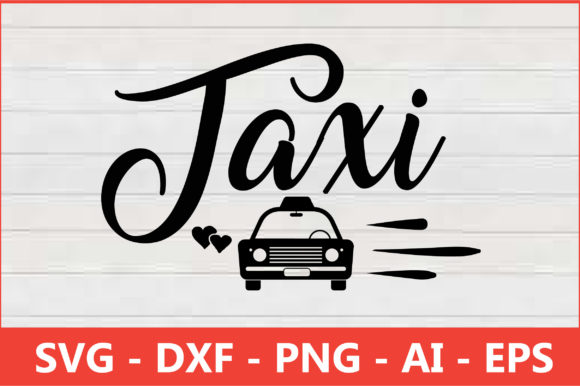
Taxi Svg: Real-World Embroidery Review
As a designer and embroidery product reviewer, I’ve evaluated countless machine embroidery designs. Taxi Svg caught my attention not just for its visual appeal but for how it translates to real-world projects. Whether you’re creating custom apparel, personalized gifts, or small business merchandise, this design has potential—but it also comes with some considerations.
The First Impression: A Bold, Recognizable Design
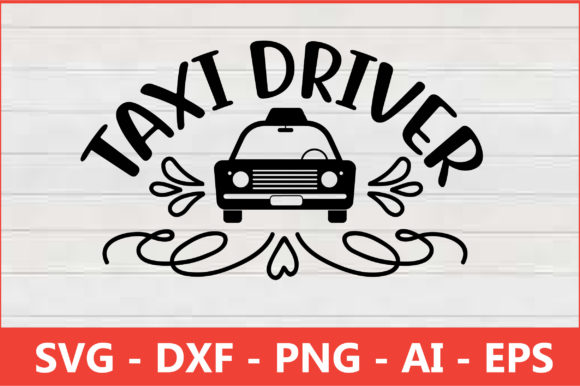
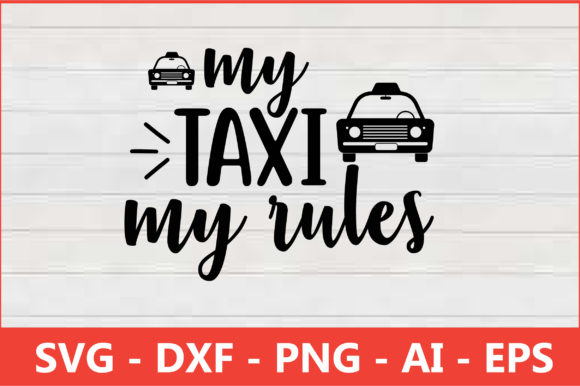
Taxi Svg immediately conveys a sense of urban energy. The clean lines and strong geometric shapes make it instantly recognizable. It’s the kind of design that feels like it belongs on a tote bag, sweatshirt, or baby onesie. The layout is straightforward, with a clear focal point that doesn’t overwhelm the viewer. It’s not overly detailed, which is a plus for embroidery work where simplicity often leads to better results.
The theme is classic—taxi cabs are a universal symbol. This makes it easy to incorporate into a variety of projects, from holiday gifts to boutique branding. The design’s visual personality is friendly yet professional, making it suitable for both handmade products and commercial embroidery.
Real-Life Embroidery Use Cases
Imagine you’re working on a custom embroidered tote bag for a client who wants something eye-catching but not too busy. Taxi Svg would be a solid choice. Its shape allows for easy placement on flat surfaces, and the design doesn’t require intricate stitching that could complicate the process. It works well as a standalone design, especially on light-colored fabrics where the details stand out.
For a sweatshirt or t-shirt, Taxi Svg could be a great addition. The design’s size and structure make it ideal for medium-sized hoops. However, if you’re working on a cap or hat, you’ll need to adjust the hoop size accordingly. The design isn’t overly complex, so it should stitch cleanly without too many issues.
In baby items, such as onesies or blankets, Taxi Svg could add a fun, playful touch. But keep in mind that the design’s sharp edges might not be the best fit for very soft or stretchy fabrics. You’d want to test it on a scrap piece first to ensure it holds up under repeated washing.
Where to Use With Caution
While Taxi Svg is versatile, there are situations where it might not perform as well. For example, if you’re using it on a small hoop, the design may feel cramped. Small hoop sizes can limit the detail and clarity of the embroidery, especially if the design includes fine lines or delicate elements.
On textured or dark fabrics, the design might not show up as clearly. If you’re planning to use it on a black or dark-colored garment, consider adjusting the thread colors or testing it in a black and white mockup. Thin or stretchy fabrics can also pose challenges, as they may cause the stitches to pucker or distort.
If you’re working on layered garments or curved surfaces like caps, you’ll need to pay close attention to how the design fits. The corners of the taxi shape might not sit perfectly on a curved surface, and the stitch density could affect how it looks when stitched onto fabric.
Impact on Visual Appeal and Customer Perception
Taxi Svg has a clean, modern look that can elevate the visual appeal of any project. When stitched correctly, it adds a professional touch to handmade products, making them more attractive to customers. It’s also a good choice for personalized gifts, as the design is simple enough to be easily recognized but still unique enough to stand out.
From a customer perspective, a well-executed Taxi Svg embroidery can increase the perceived value of a product. It signals quality and attention to detail, which can help build trust in your brand. Whether you’re an Etsy seller or a small shop owner, this design could be a valuable addition to your collection.
It also plays well with brand consistency. If you’re running a craft business focused on urban themes or transportation-related items, Taxi Svg could serve as a recurring design element across different products.
Practical Designer Notes for Using Taxi Svg
Before committing to a project, always test the design on scrap fabric. This will help you assess how it looks on different materials and identify any potential issues. Pay attention to the stitch density—too much can cause puckering, while too little might make the design look sparse.
Check the thread color contrast against the fabric. If the design is meant for dark backgrounds, you may need to adjust the colors to ensure visibility. Also, confirm the hoop size required for your embroidery machine. Some designs may need a larger hoop than others, especially if they have intricate details.
Inspect the small details carefully. Even a simple design like Taxi Svg can have subtle elements that may not translate well in certain conditions. Test it in both light and dark backgrounds to see how it performs. Use the right stabilizer for the fabric type to prevent distortion during stitching.
If you’re planning to sell finished items or digital products, make sure you understand the licensing terms. While the product description mentions it’s a digital download, specifics about commercial use aren’t provided. Always double-check before incorporating it into your workflow.
Final Thoughts: A Solid Choice for the Right Projects
Taxi Svg is a practical design that works well in a variety of embroidery scenarios. It’s not overly complicated, which makes it accessible for both beginners and experienced designers. Its clean aesthetic and universal theme make it a good fit for custom apparel, personalized gifts, and small business merchandise.
However, it’s important to approach it with realistic expectations. It may not be the best choice for every project, especially those involving small hoops, textured fabrics, or high-detail requirements. With proper testing and consideration, though, Taxi Svg can be a valuable asset in your embroidery toolkit.
Whether you’re an Etsy seller, a craft business owner, or a hobbyist looking to expand your design library, Taxi Svg offers a balance of style and functionality. Just remember to tailor its use to the specific needs of your project and your audience.